Infomedia
Reverse Engineering
a Legacy Enterprise Platform into a Scalable Product Experience

I led the UX transformation of a complex enterprise SaaS platform, using
AI-assisted discovery to uncover intricate workflows and business rules
and to turn them into a scalable, consistent user experience.
2025-2026
Lead Product Designer
Helping migrate a complex automotive SaaS platform across 142 reporting experiences, 21 KPI modules
and 30 enterprise tenants by combining UX strategy,
AI-assisted discovery and scalable design systems.
-
Phase 1 | CSSI Project (Oct-Dec 2025
Phase 2 | Reports & Modules Alignment Project (Jan-Jun 2026)
-
Product
Engineering
QA
SMEs
-
Automotive SaaS
-
Reporting
Dashboards
Performance Insights
Dealer KPIs
-
Figma
Miro
Claude AI
-
UX Discovery
Reverse Engineering
UX Patterns
Design System Alignment
User Flows
Dashboard & Reporting Frameworks
The challenge
Infomedia's reporting platform had evolved over many years into hundreds of customised reporting experiences. Each dealership group could configure reports differently, calculations varied between tenants, and much of the business logic existed only inside the software itself.
Before any redesign could begin, the team first needed to understand how the platform actually worked.
-
An Australian software company
specialising in cloud-based data and
software solutions for the global
automotive industry. -
Parts
Services
Data insights platforms that connect Automakers
Dealerships
Consumers
Helping streamline
After-Sales Operations and
Digital Customer Experiences
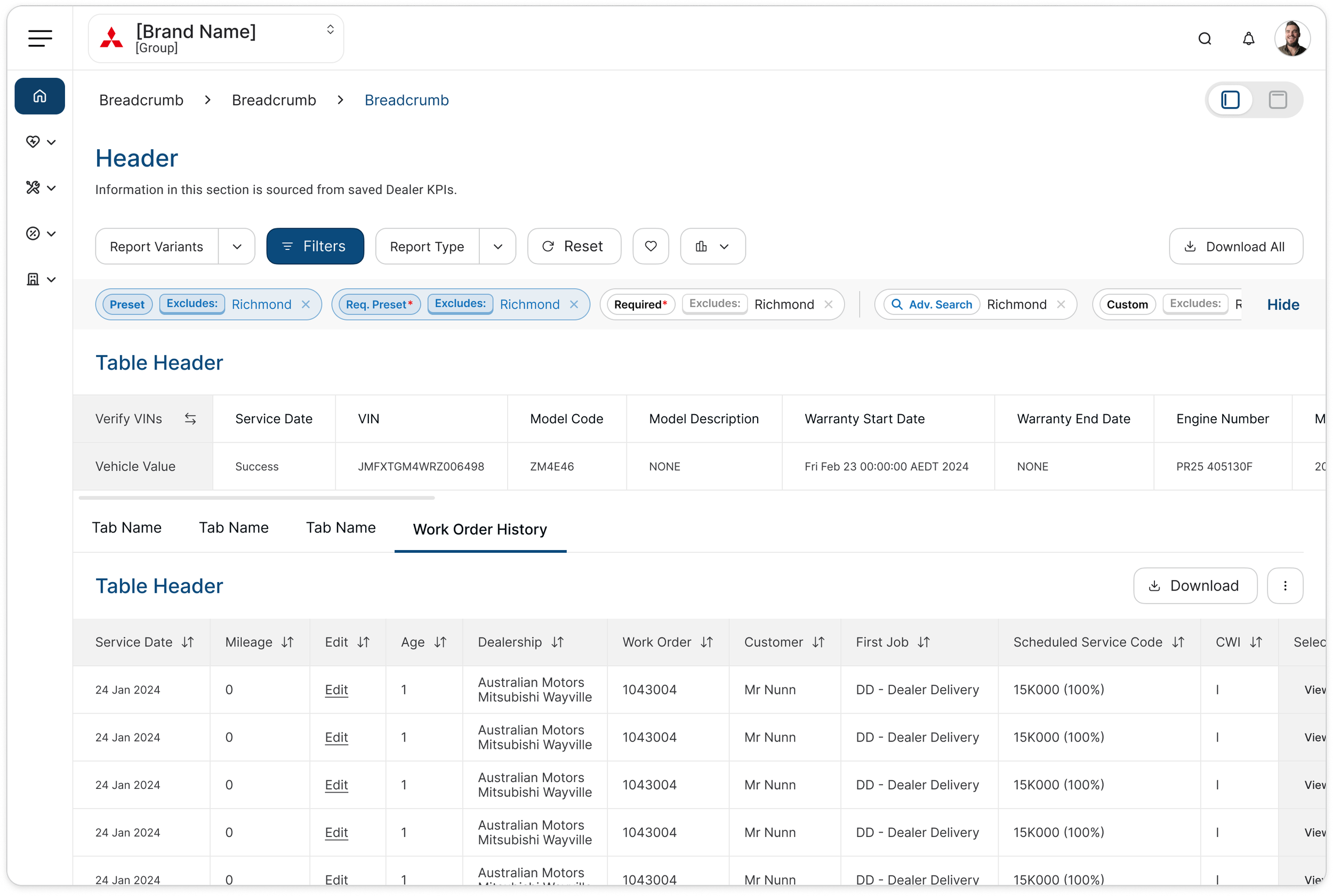
142 Reports
30 Tenants
21 KPI Modules
Thousands of
undocumented rules
The Problem
142 reporting variations
Different layouts, filters and behaviours
30 enterprise tenants
Different business logic
Years of undocumented evolution
Business rules hidden inside the software
No consistent UX
Every module behaved differently
-
I led the UX discovery process, reverse-engineered existing workflows, defined scalable UX patterns, established reusable reporting components and partnered with Product and Engineering to modernise the platform without disrupting existing customer workflows.
-
Reverse Engineering Before Design.
Rather than designing immediately, I first needed to understand how hundreds of reports behaved across multiple tenants.
The discovery process focused on:
Business objectives
Existing workflows
User goals
Business rules
Legacy constraints
Risk identification
UX requirements
Scalable interaction patterns
This discovery approach helped reduce uncertainty before a single screen was redesigned.
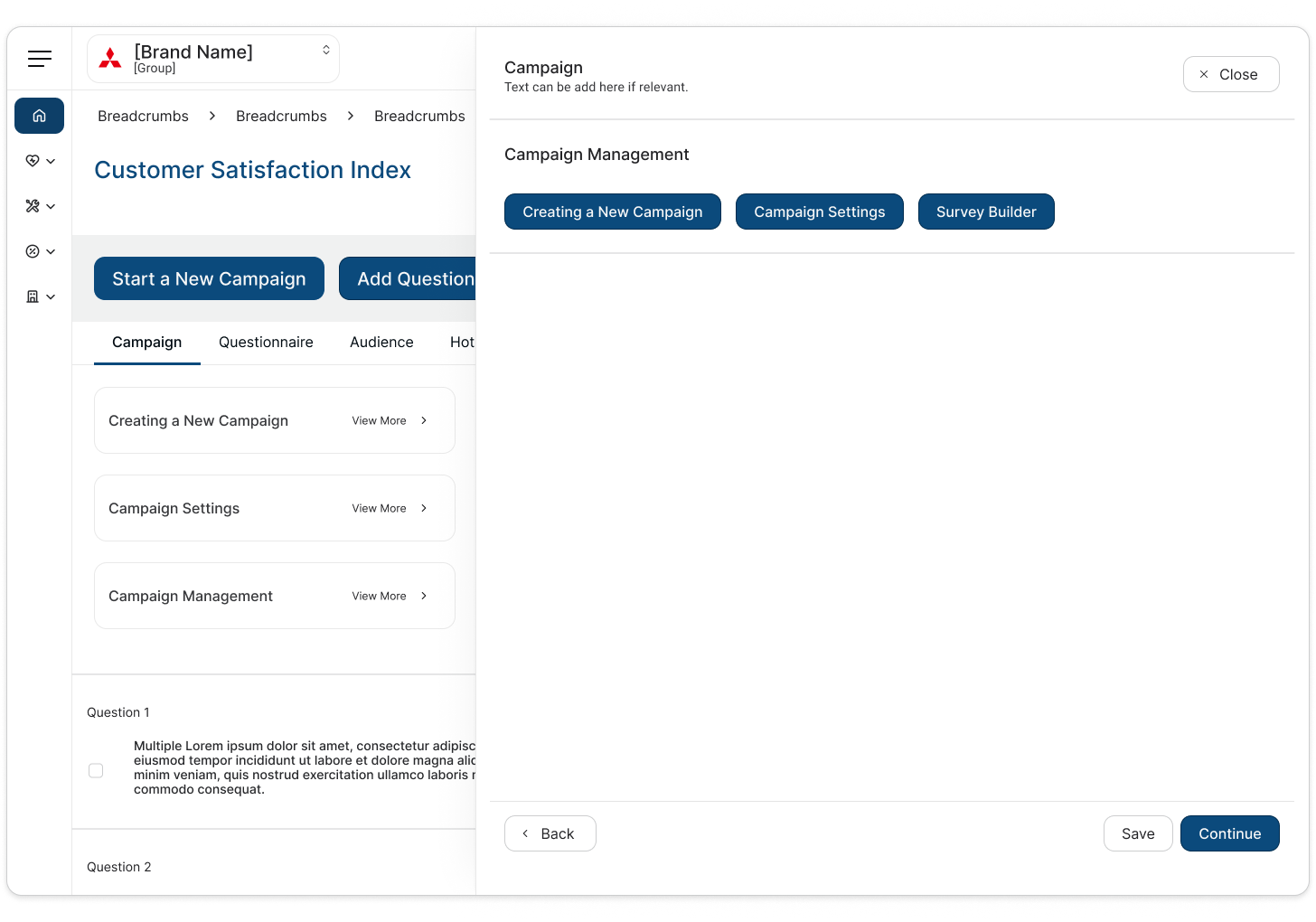
Pattern Library |
Shared UX Patterns
142 reports | One reusable system
Reverse Engineering Before Design. Rather than designing immediately, I first needed to understand how hundreds of reports behaved across multiple tenants.
-
KPI cards
Tables
Filters
Charts
Side drawers
Dashboard layouts
Export actions
This significantly reduced future design and development effort while creating a more predictable user experience.
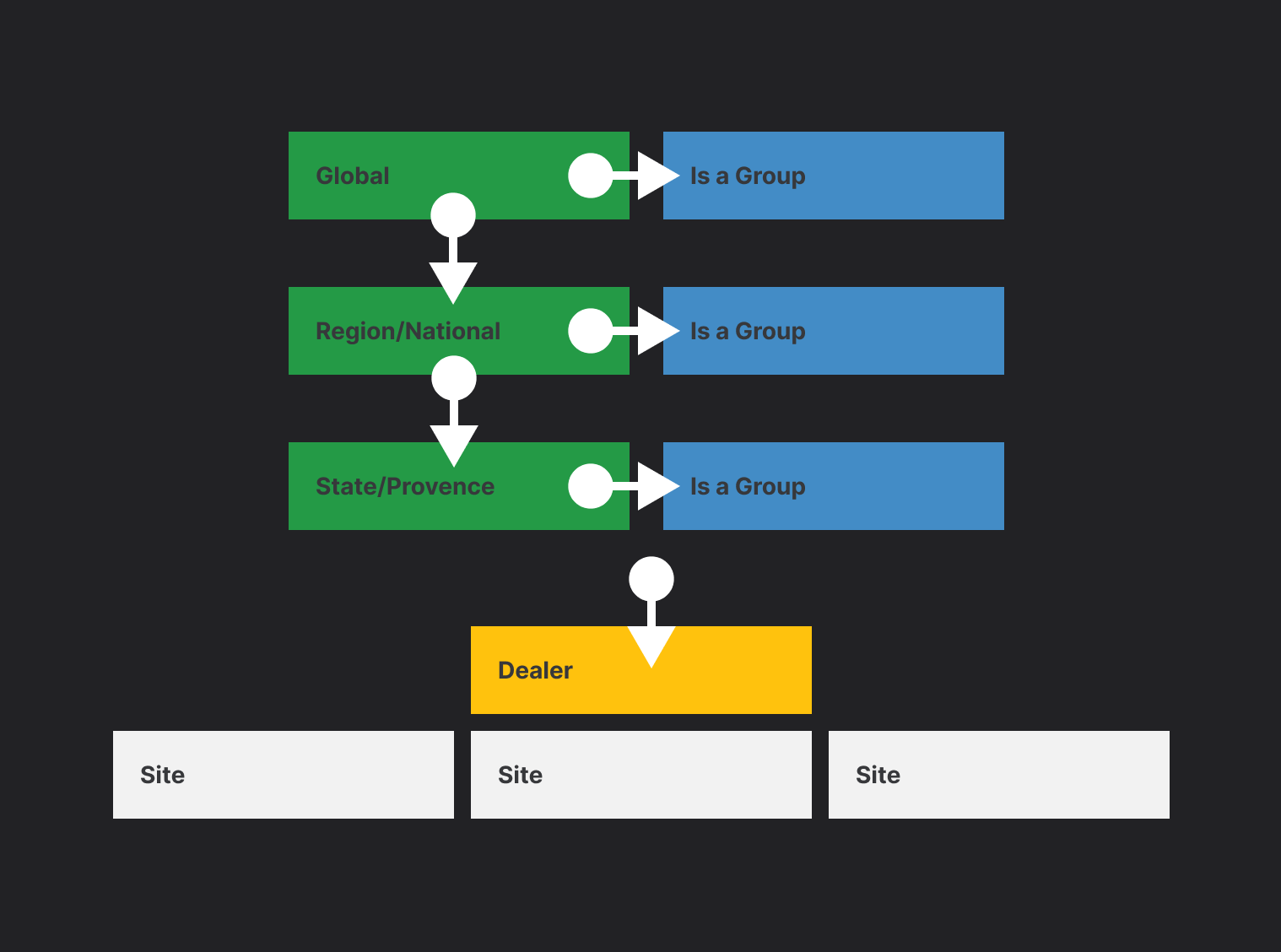
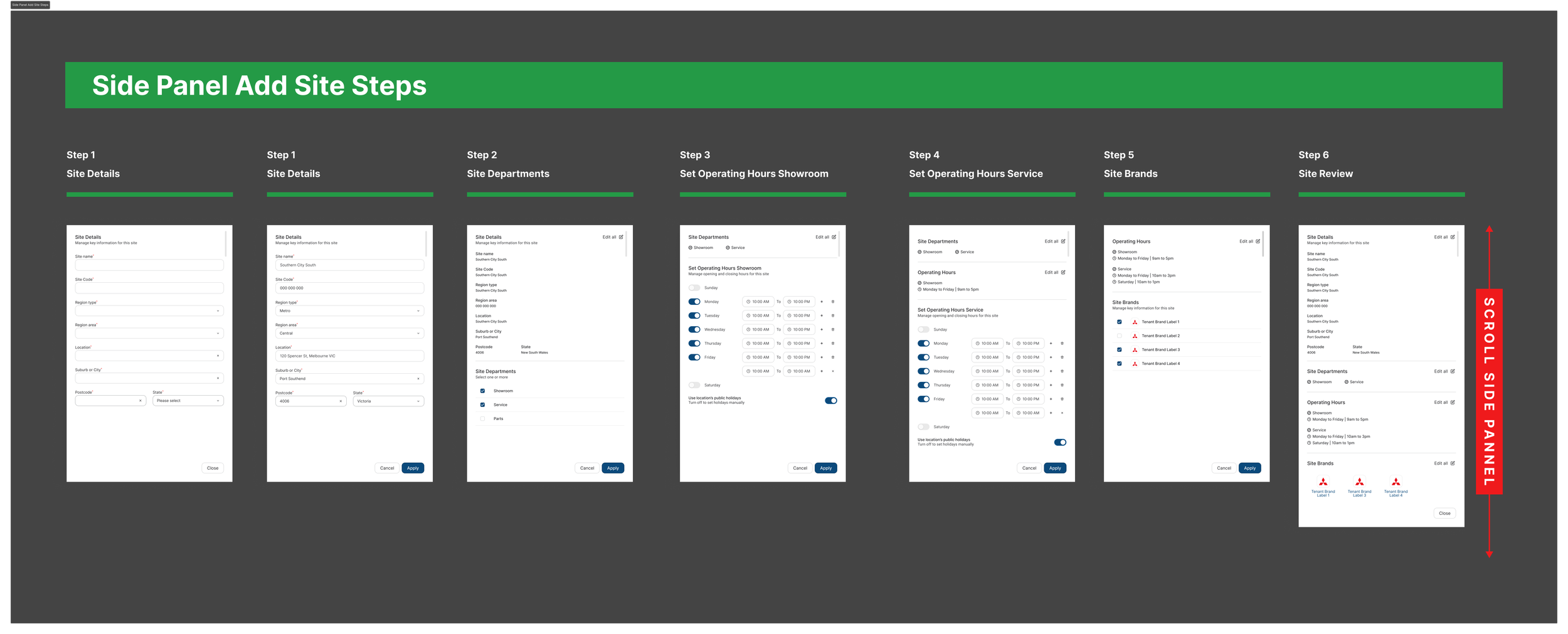
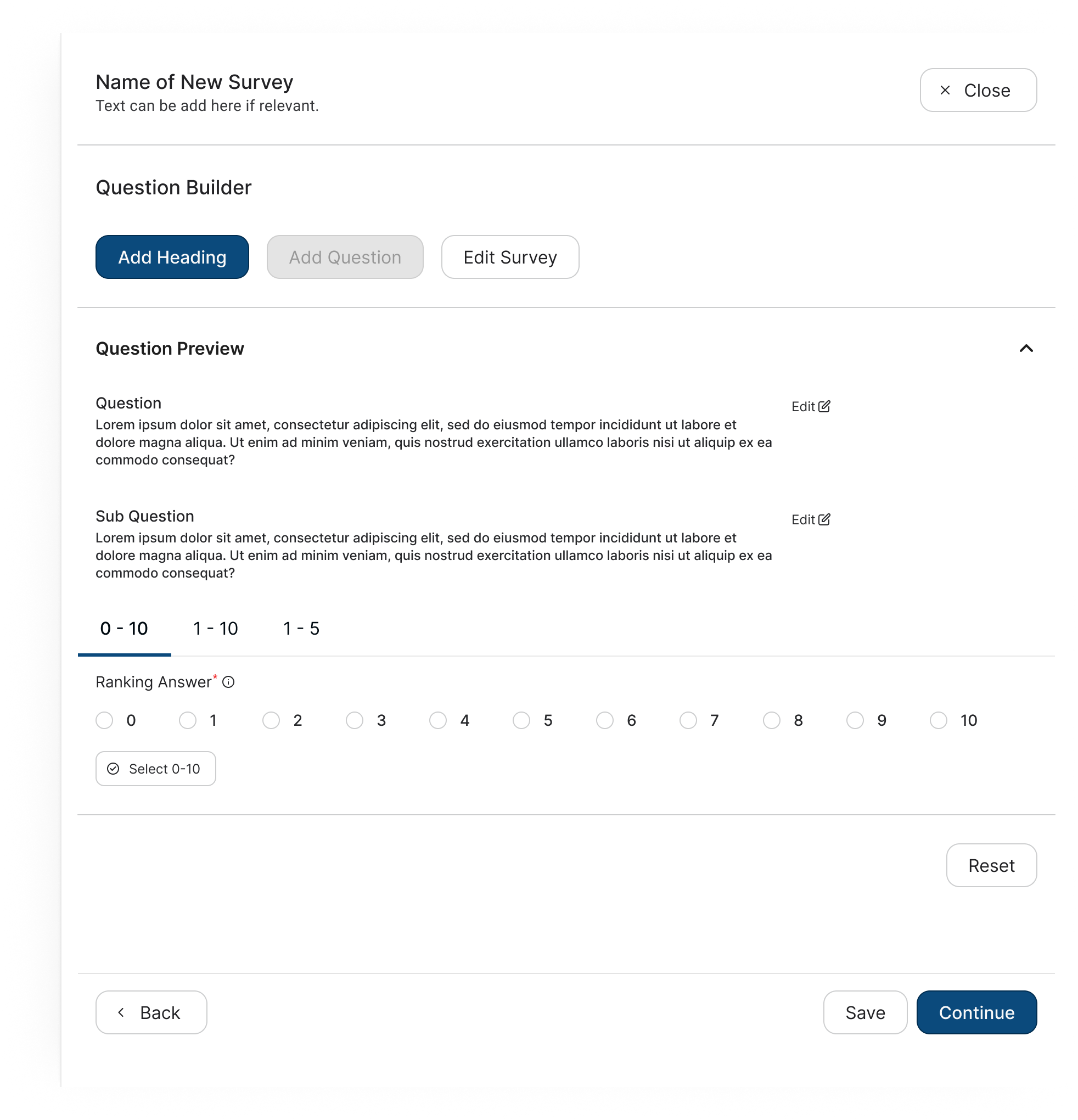
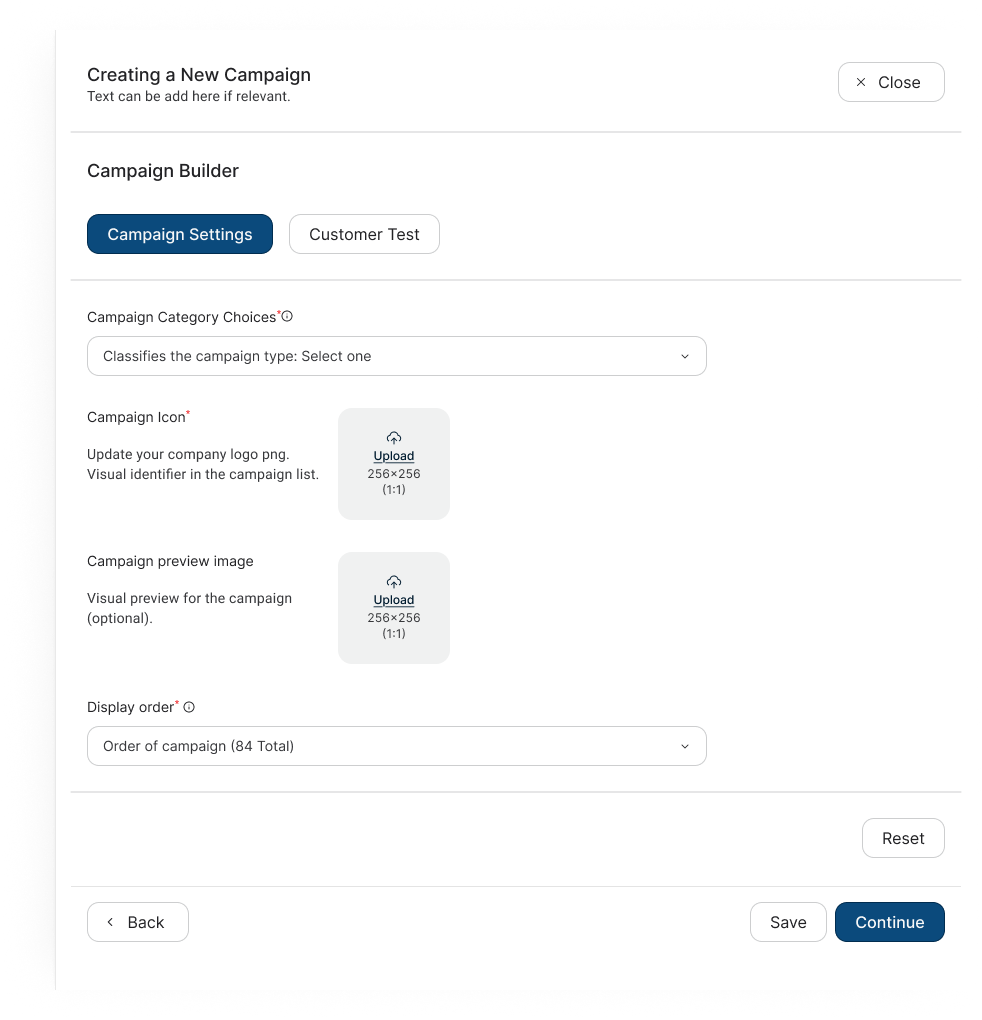
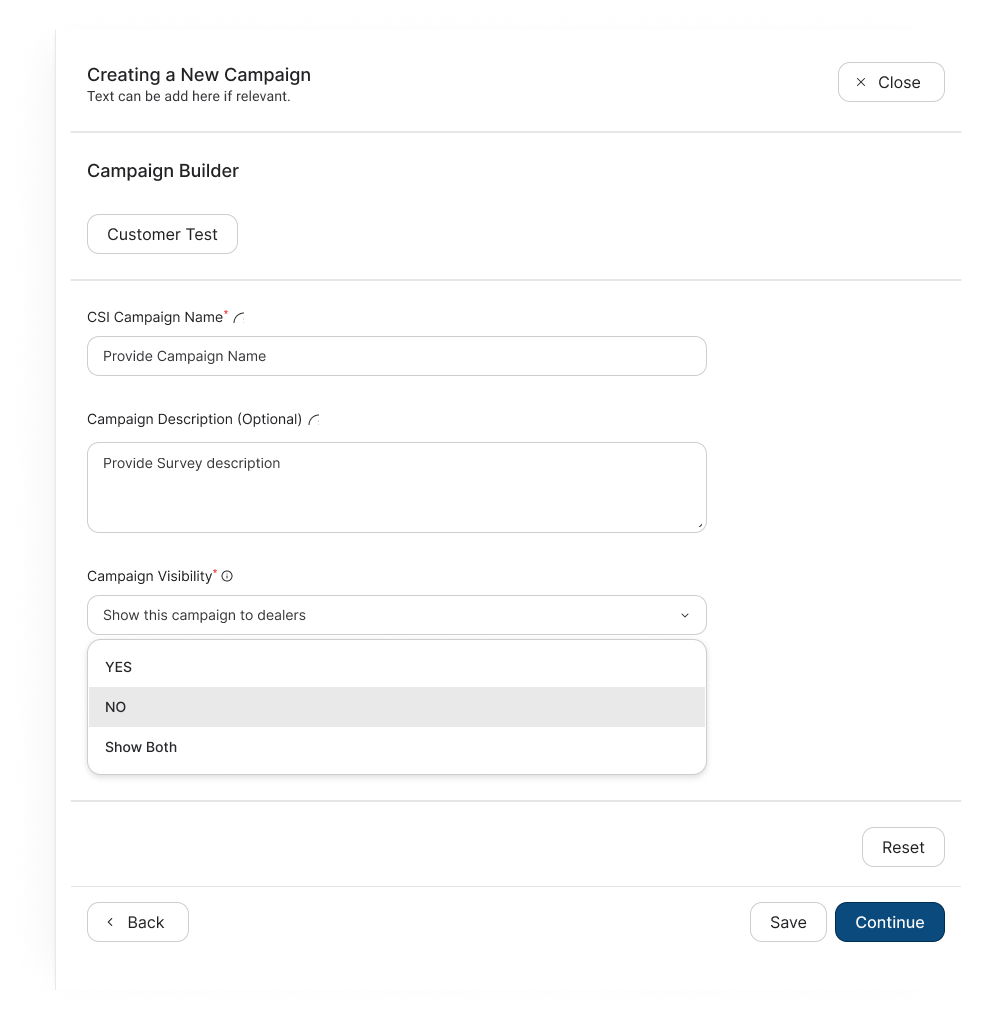
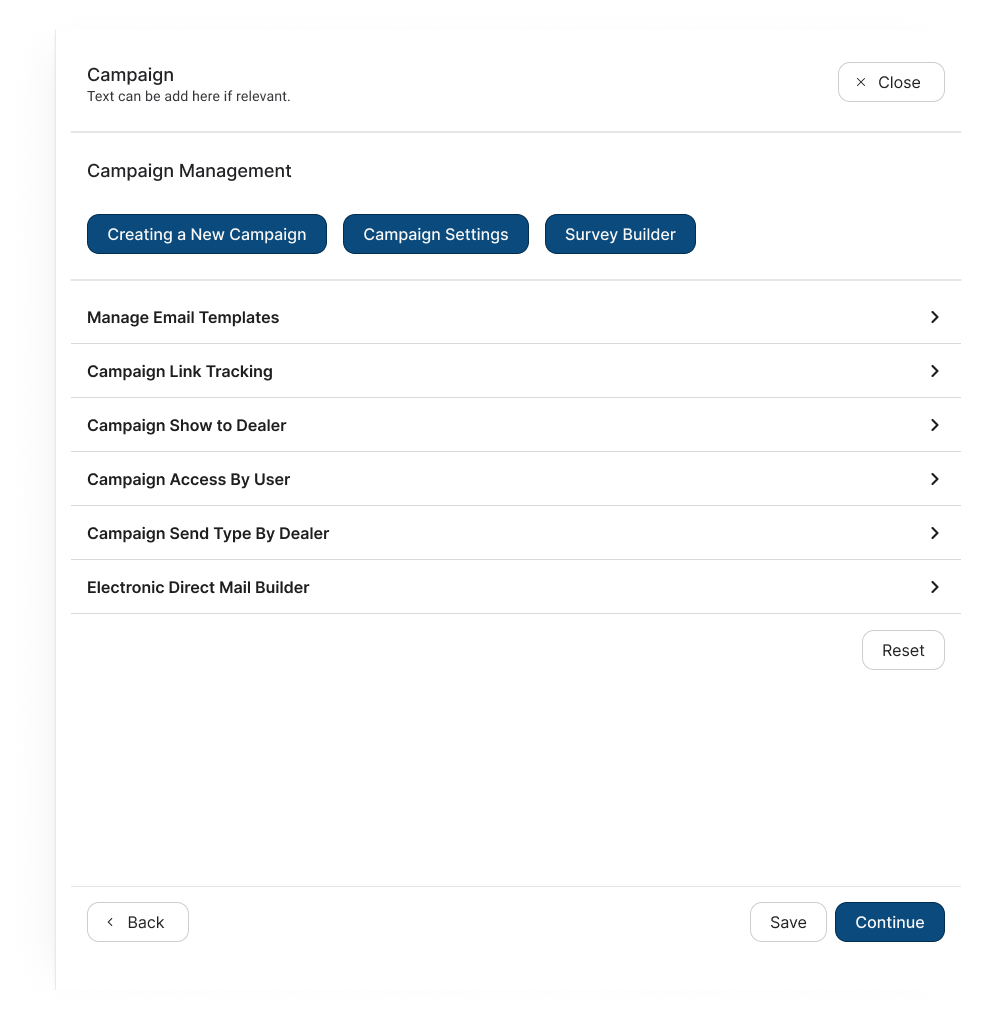
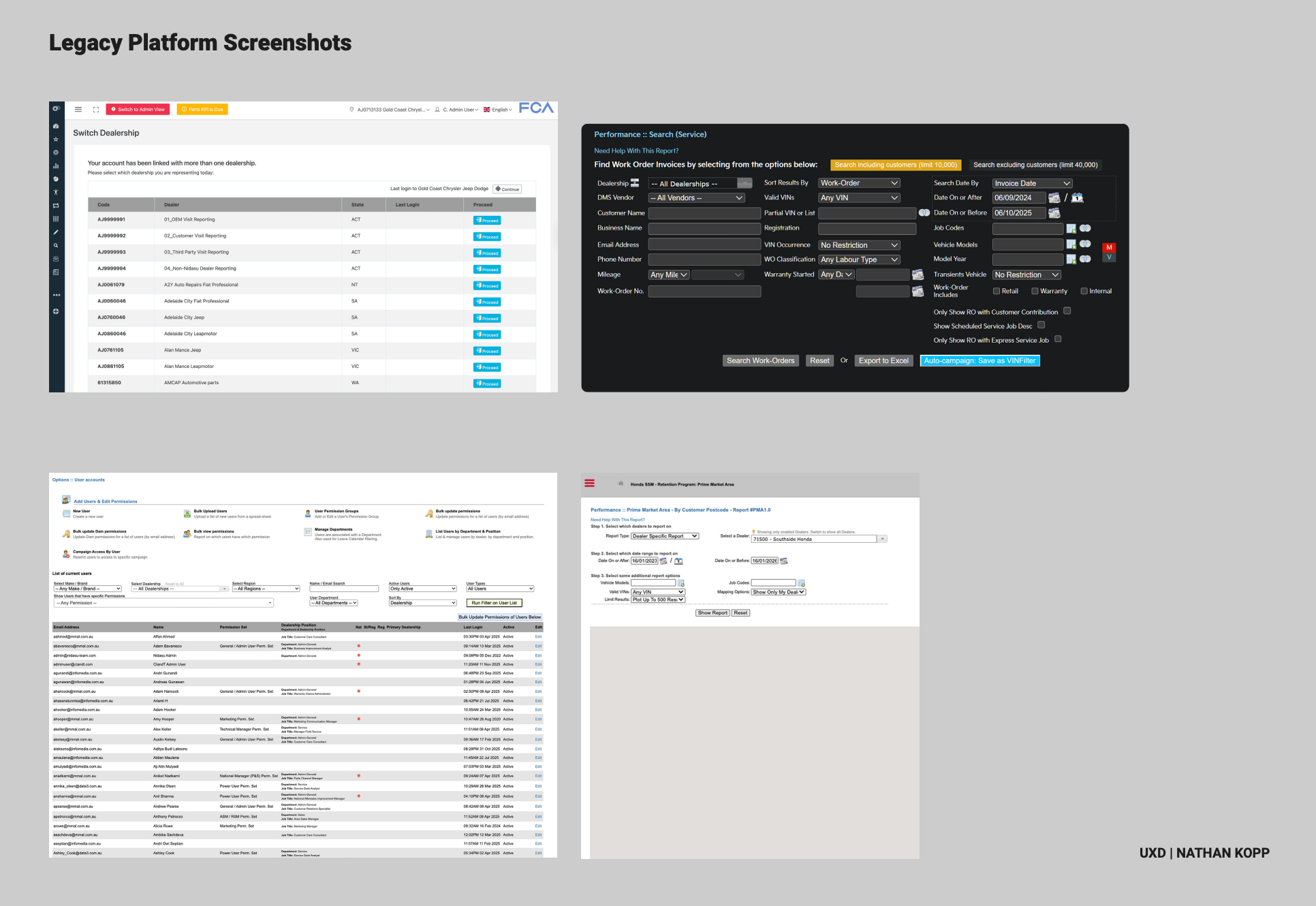
Before
Legacy
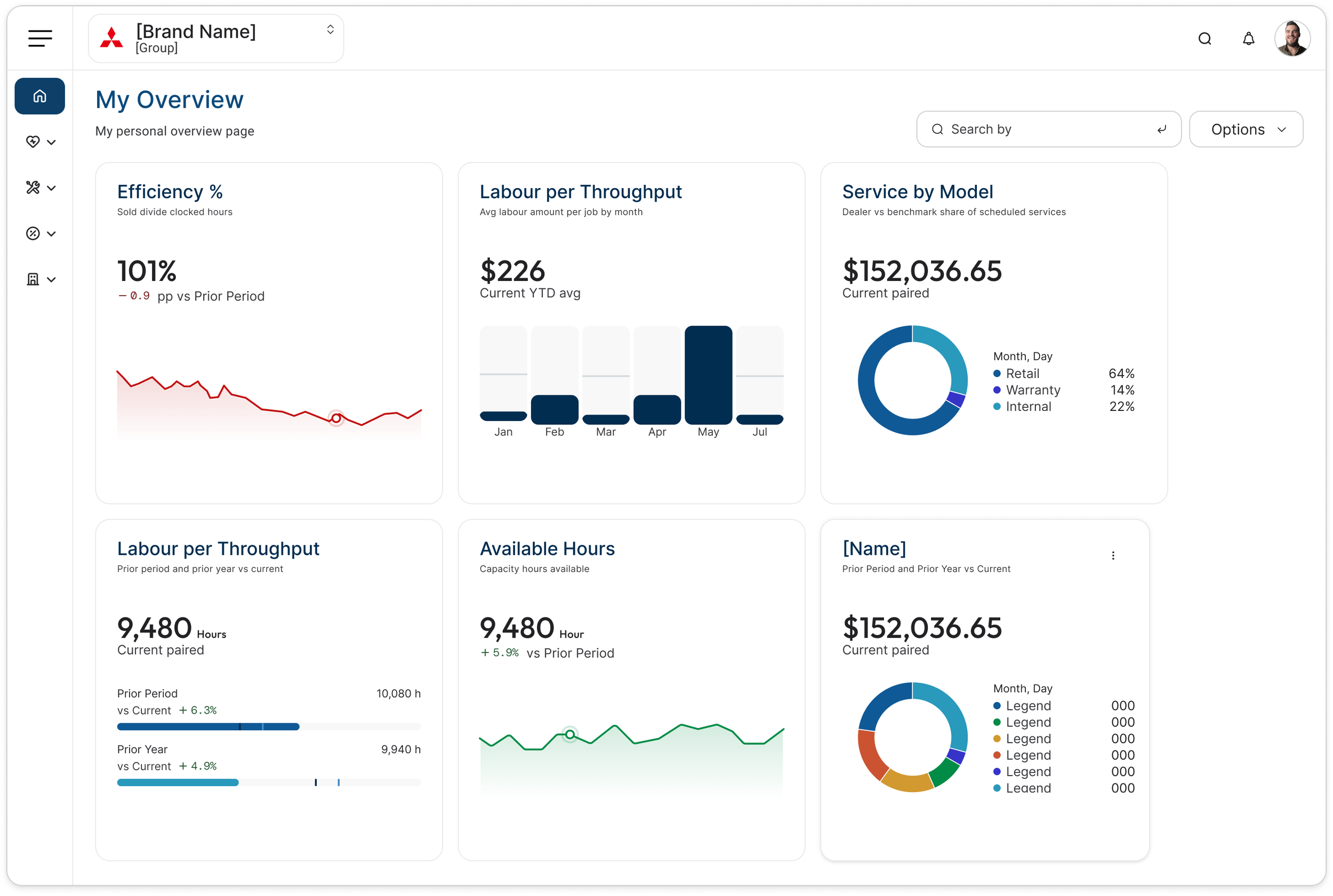
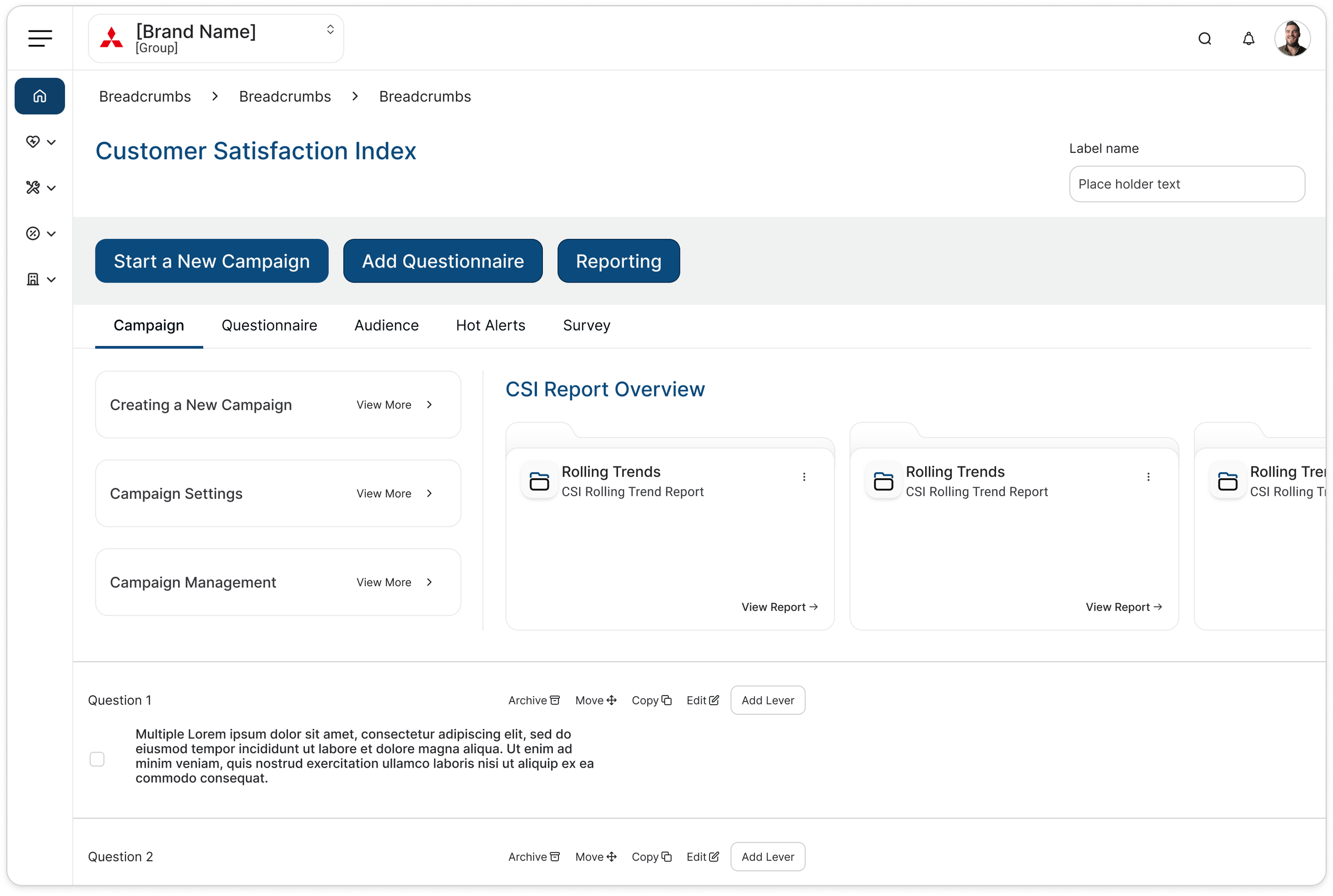
After
New
Outcomes | Impact
From fragmented experiences to a scalable product framework
This project was about more than modernising the visual experience. The goal was to create a consistent, scalable foundation for migrating a highly customised legacy platform while preserving the business logic and workflows that customers relied on.
Successfully migrating reporting
The new experience established a modern framework for migrating Infomedia’s reporting capabilities across multiple customer tenants, while maintaining their unique business requirements.
The challenge wasn't simply to recreate existing screens. It was to understand and preserve the different calculations, configurations and workflows that had evolved within the legacy platform, while creating a more consistent and scalable experience for the future.
-
The existing platform had developed significant inconsistencies across reports and modules.
Through the discovery and pattern-definition process, common interaction models were identified and standardised across the new experience, creating a more predictable interface for users.
This included consistent approaches to:
Navigation
Filtering
Tables
Dashboard layouts
Side drawers
CTAs
Download actions
-
Rather than treating the 142 reports as 142 individual design problems, I identified the common structures underneath them.
This resulted in a reusable framework covering patterns such as KPI cards, filters, tables, charts and export functionality.
The benefit was a system that could support new reports and modules without requiring every experience to be designed from scratch.
-
One of the biggest challenges was understanding the relationship between business rules and interface behaviour.
By mapping business rules, permissions, validation requirements and dependencies into UX requirements, the design team could provide Engineering with clearer definitions of how the product should behave.
This was particularly important in a platform where different tenants could have different configurations and calculations.
-
The redesign focused on making complex reporting information easier to understand and interact with.
Rather than simply modernising the visual layer, the work addressed:
Information hierarchy
Filtering
Task flows
Interaction patterns
Progressive disclosure
User control
The intended outcome was faster discovery, reduced friction and improved task completion. Your presentation identifies these as core user success measures.
-
Perhaps the most important outcome was creating a foundation that could evolve beyond the initial migration.
The project established reusable patterns and a more consistent design language that could be applied across future modules and reporting experiences.
This moved the product away from one-off screen design toward a scalable product system, one of the key lessons we identified from the project.
Conclusion
& Key Learnings
This project reinforced that enterprise UX is often
less about creating new interfaces and more about understanding complex business ecosystems.
By combining structured discovery, AI-assisted analysis and scalable design principles, we transformed thousands of undocumented behaviours into a coherent experience that can evolve with the product over time.
-
A highly customised enterprise platform with years of accumulated complexity.
-
Reverse engineering, AI-assisted discovery, and UX pattern definition before visual design.
-
A reusable reporting framework and consistent interaction model.
-
Reduced ambiguity, preserved business logic, improved consistency, and created a foundation for future product evolution.